Africa's Greatest Comeback Story
From near devastation to a thriving Big Five sanctuary — discover the remarkable story of Akagera National Park.
Rwanda's Premier
Wildlife Sanctuary
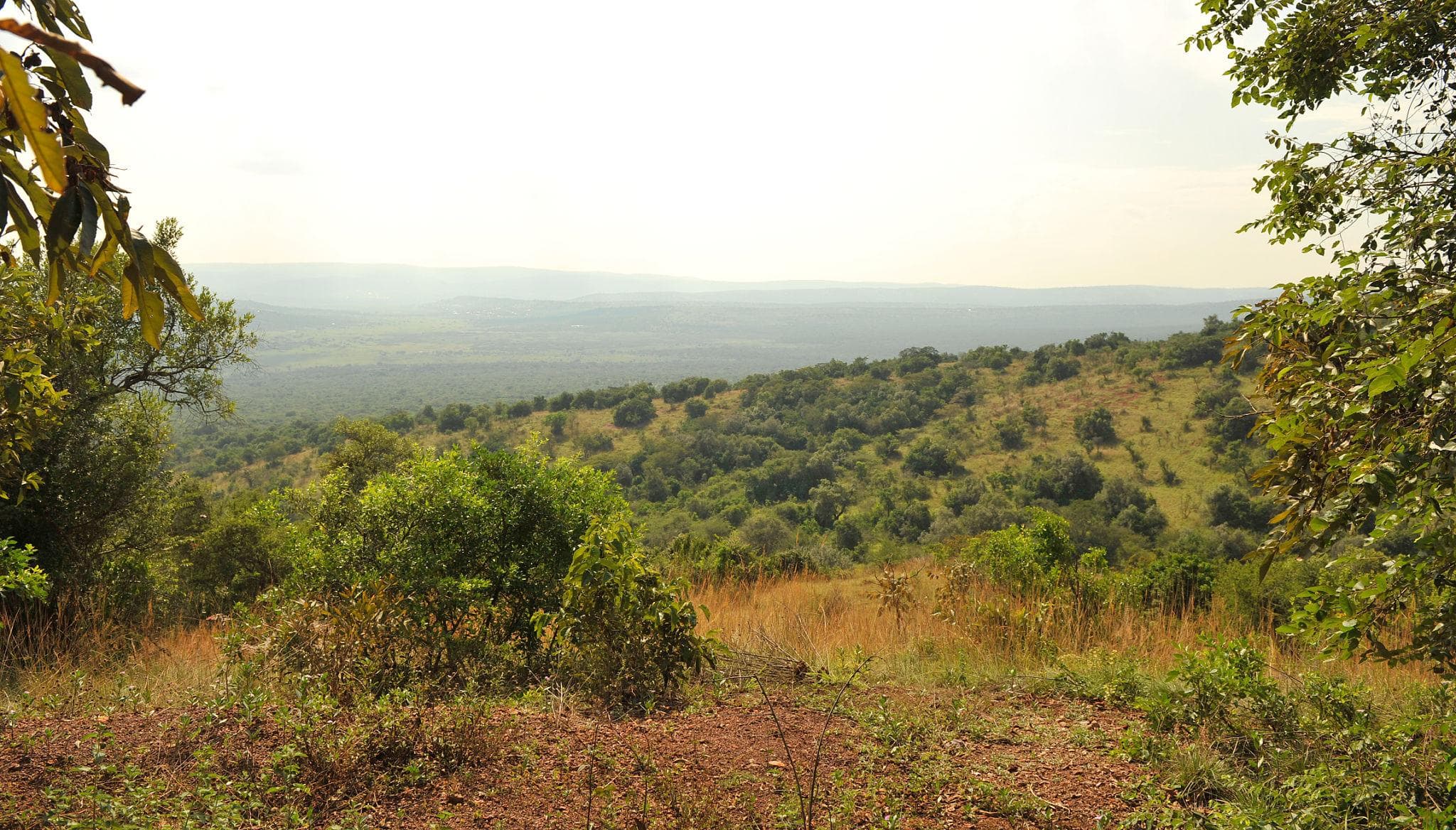
Akagera National Park, located in eastern Rwanda along the Tanzanian border, is a breathtaking mosaic of savannah, woodland, wetland, and lakes. Named after the Akagera River that flows along its eastern boundary, the park is Rwanda's only savannah reserve and home to the Big Five.
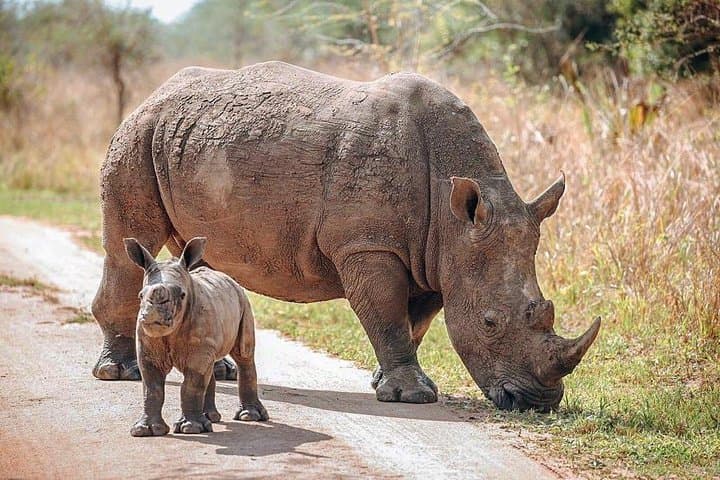
Following one of Africa's greatest conservation success stories, the park has seen the reintroduction of lions (2015) and rhinos (2017), completing the Big Five and making Akagera the most accessible Big Five destination in East Africa.
Managed in partnership between the Rwanda Development Board and African Parks since 2010, Akagera has transformed from a struggling reserve into a world-class safari destination that generates revenue for local communities and serves as a model for conservation across the continent.
Our Timeline
The story of Akagera is one of resilience, partnership, and unwavering commitment to wildlife conservation.
Park Established
Akagera National Park was established as a protected area, covering over 2,500 km² of savannah, woodland, and wetland ecosystems.
Challenging Period
The park lost over 60% of its land to resettlement following the civil conflict. Wildlife populations declined significantly.
African Parks Partnership
The Rwanda Development Board partnered with African Parks to co-manage Akagera, beginning one of Africa's greatest conservation turnarounds.
Lions Return
Seven lions from South Africa were reintroduced to Akagera, marking the return of lions to Rwanda after a 20-year absence.
Rhinos Reintroduced
Eastern black rhinos were translocated to Akagera, completing the Big Five and making it Rwanda's only Big Five destination.
More Rhinos Arrive
Five additional eastern black rhinos were brought from European zoos, further strengthening the population.
Thriving Ecosystem
Akagera is now a 1,122 km² thriving ecosystem with growing populations of lions, rhinos, elephants, and over 500 bird species.
Four Distinct Ecosystems
Akagera's unique position where East African savannah meets Central African jungle creates extraordinary biodiversity.
Savannah Plains
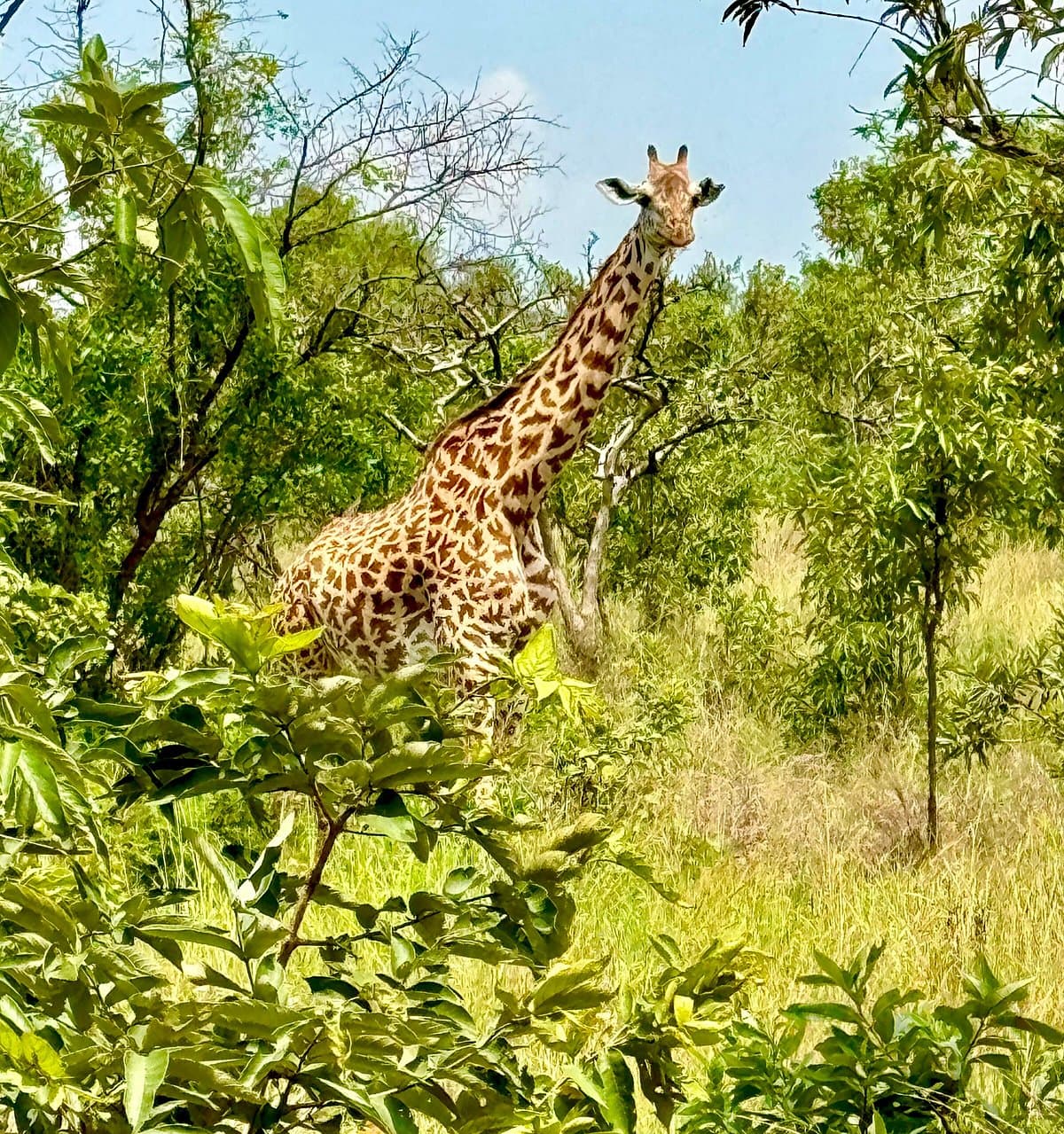
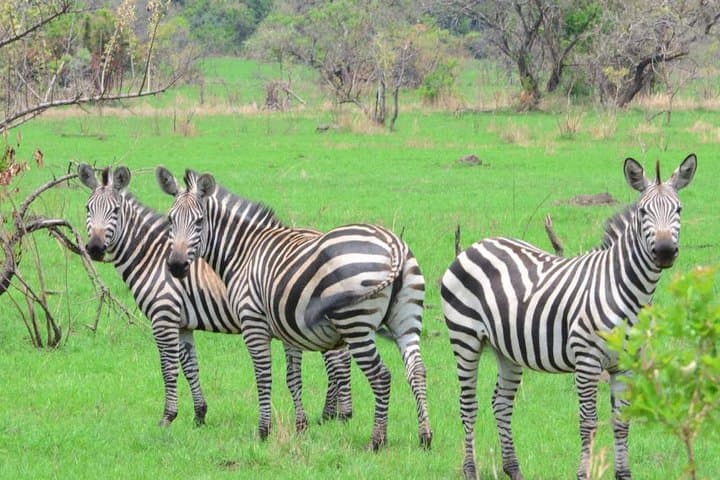
Open grasslands home to zebras, antelopes, giraffes, and large predators.
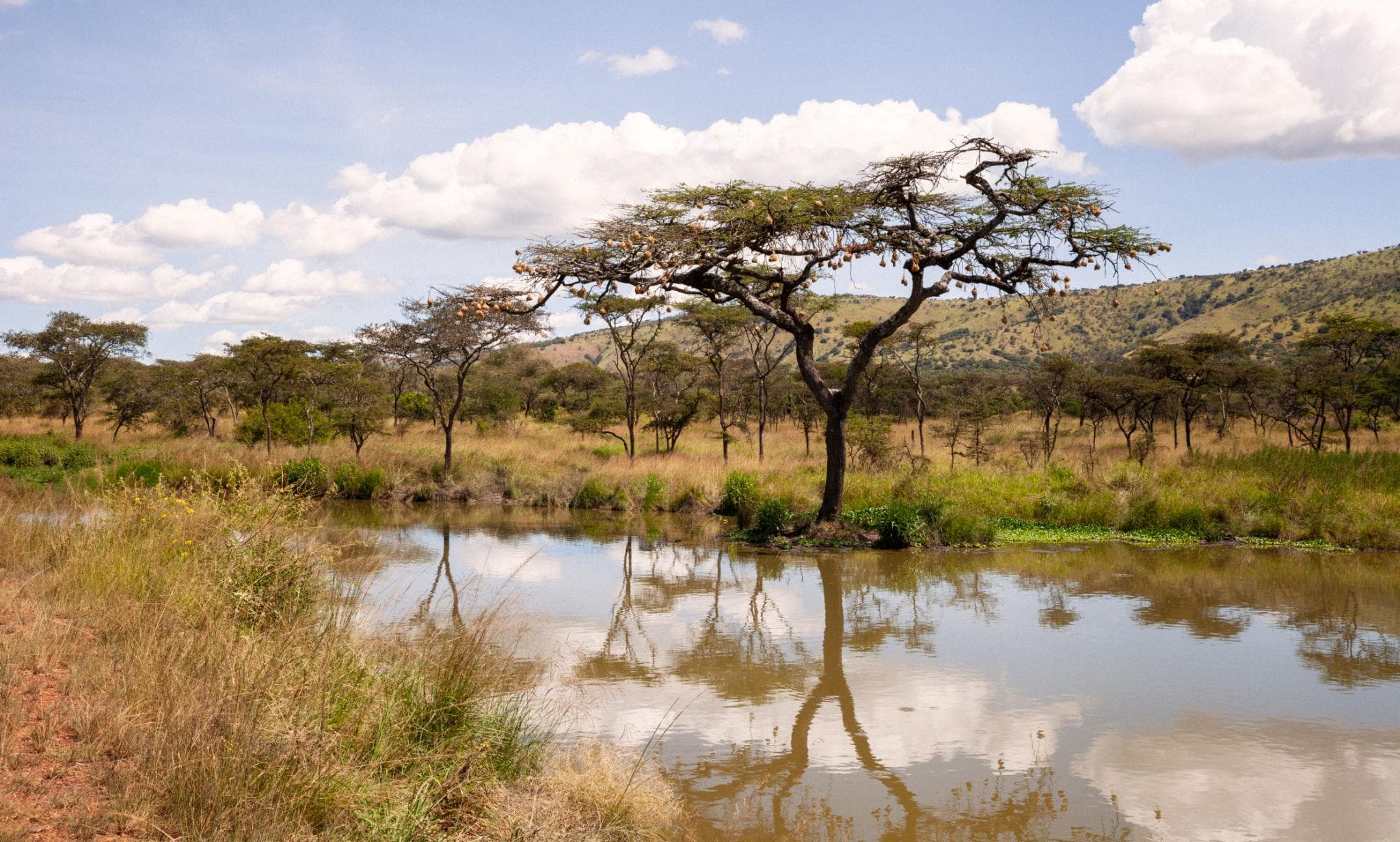
Lakes & Wetlands
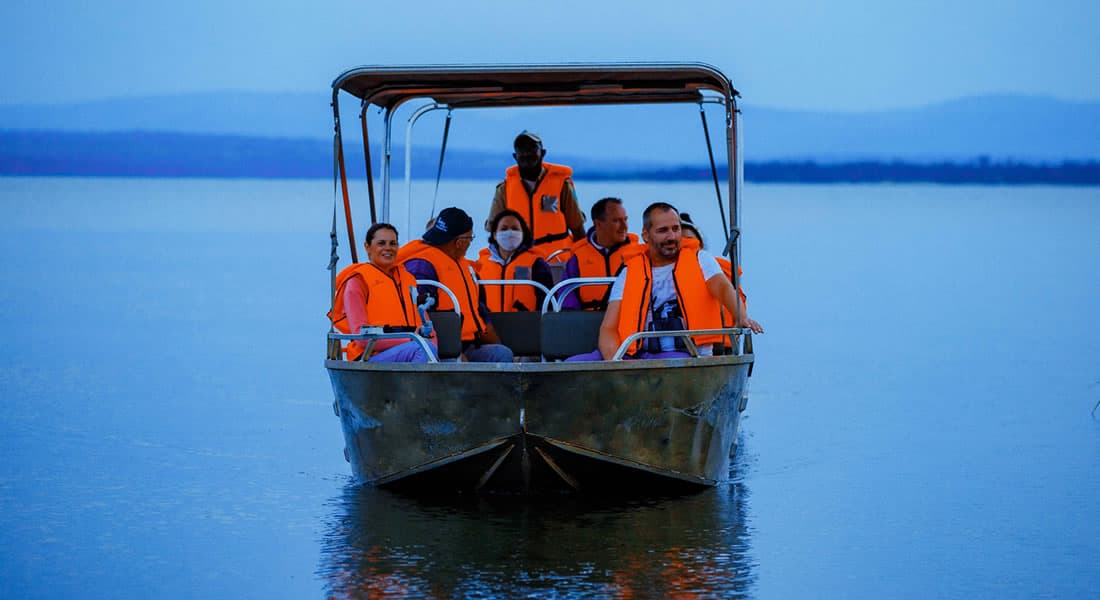
Lake Ihema and surrounding wetlands host hippos, crocodiles, and hundreds of bird species.
Woodland & Hills
Rolling hills with dense vegetation provide habitat for leopards, primates, and forest birds.
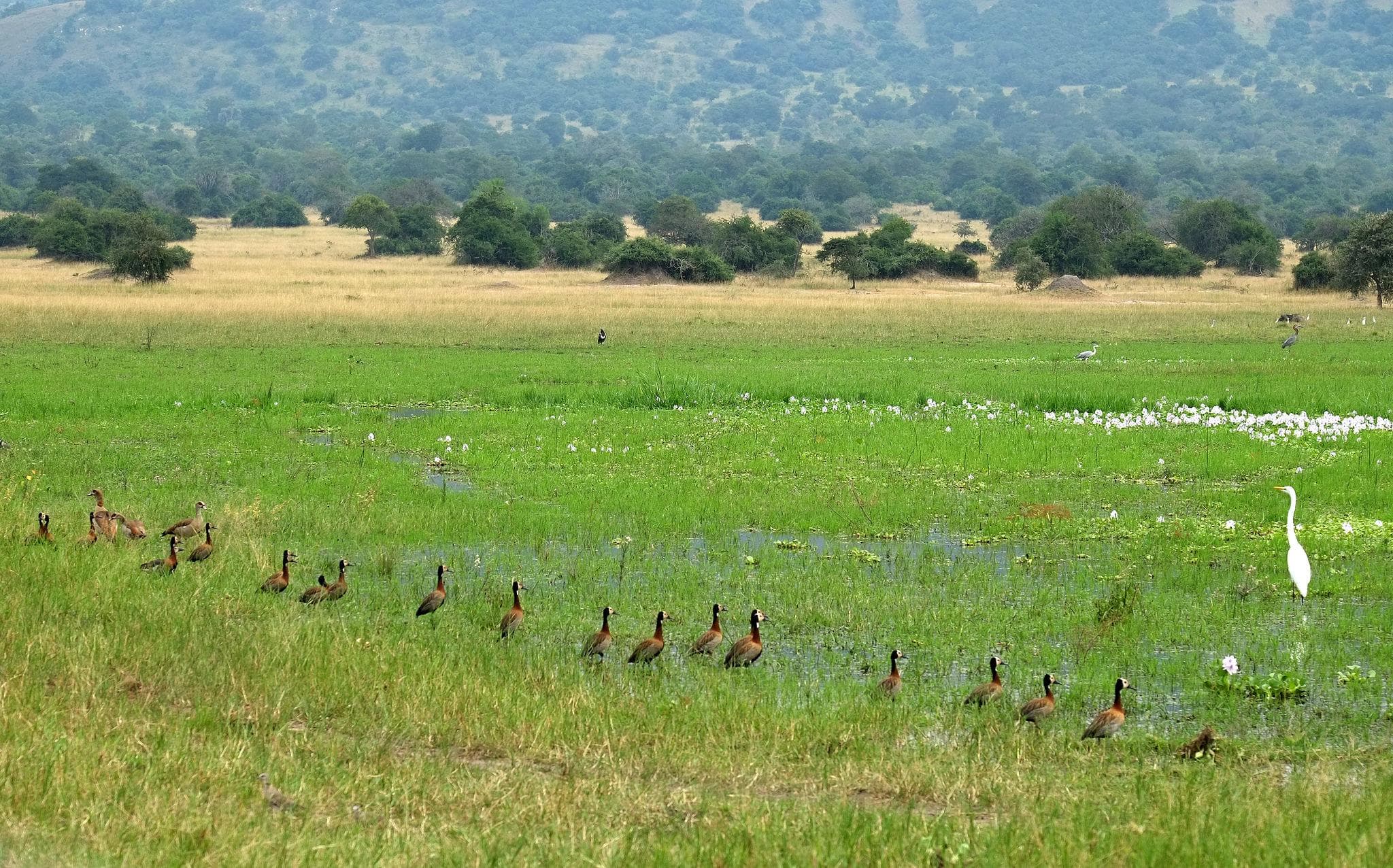
Papyrus Swamps
Africa's largest protected papyrus swamp, a vital habitat for the rare shoebill stork.
Our Mission
To conserve Akagera National Park's biodiversity while creating sustainable tourism that benefits local communities, educates visitors, and inspires the next generation of conservation leaders.
Conservation
Through our partnership with African Parks, we employ anti-poaching rangers, use cutting-edge tracking technology, and run community engagement programs that have reduced poaching by over 80% since 2010.
Community Impact
Tourism revenue funds schools, healthcare, and employment for surrounding communities. Over 3,000 local jobs have been created, and the park contributes significantly to Rwanda's growing eco-tourism economy.
Experience Akagera Yourself
The best way to understand Akagera's magic is to visit. Book a safari and become part of this incredible conservation story.