A Biodiversity Hotspot
Akagera National Park is one of East Africa's most biodiverse protected areas, despite being relatively compact at 1,122 square kilometres. The park's remarkable habitat diversity — encompassing savannah, wetlands, lakes, forests, and mountains — supports an extraordinary variety of wildlife. From Africa's iconic Big Five to over 500 bird species and numerous reptiles, amphibians, and fish, Akagera offers wildlife encounters to rival parks many times its size.
The Big Five
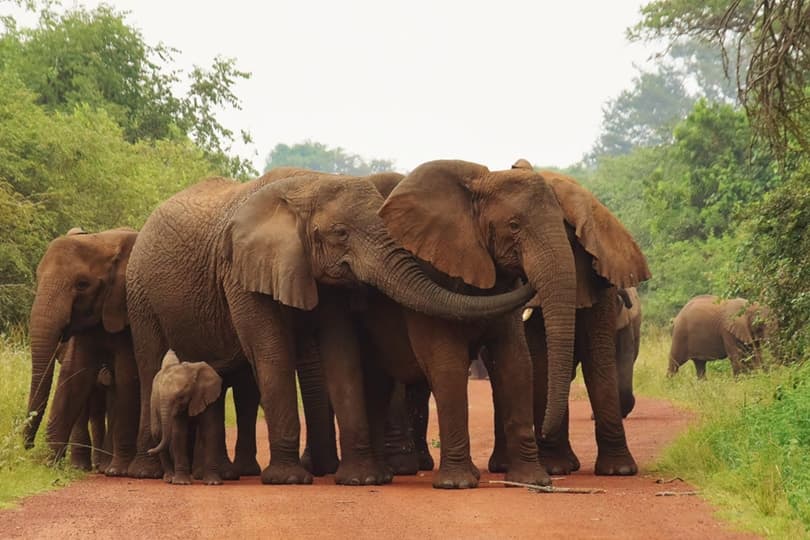
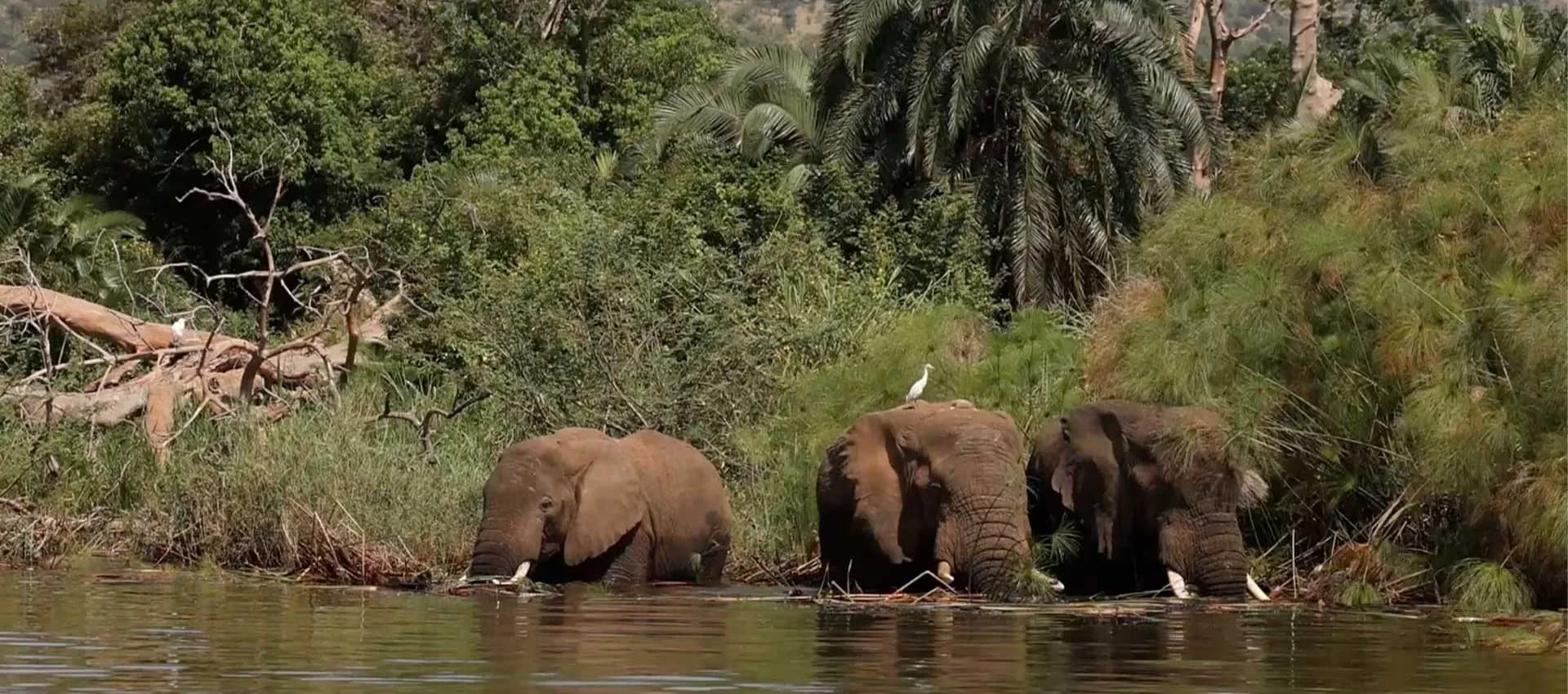
Akagera is Rwanda's only Big Five destination. African lions (reintroduced 2015, now 40+ individuals) are best seen in the northern sector during early morning drives. African elephants (100+ individuals) roam throughout the park, often near lakes. Black rhinos (reintroduced 2017, critically endangered) are closely protected in the northern sector — sightings are rare but possible. Leopards are elusive nocturnal hunters best spotted on night drives. Cape buffalo form large herds across the savannah and are the most commonly seen of the Big Five.
Large Mammals
Beyond the Big Five, Akagera is home to an impressive array of large mammals. Masai giraffes graze gracefully across the open plains. Burchell's zebras gather in large herds, often alongside topi and impala. Hippos dominate the park's lakes, with Lake Ihema hosting some of East Africa's highest concentrations. Defassa waterbuck, bushbuck, eland, duiker, and reedbuck are regularly spotted. Spotted hyenas, side-striped jackals, and serval cats are present but less commonly seen. Vervet monkeys and olive baboons frequent the woodland edges.
Birds: 500+ Species
Akagera is a birdwatcher's paradise with over 500 recorded species. The papyrus swamps harbour the rare and sought-after shoebill stork, one of Africa's most iconic birds. Papyrus gonolek, a striking red-and-black bird, is another specialty. Raptors include martial eagles, bateleurs, African fish eagles, and various vulture species. Waterbirds are abundant — pelicans, cormorants, herons, kingfishers, and storks line the lakeshores. Open grasslands host secretary birds, ground hornbills, and long-crested eagles. The wet season (October-March) brings migratory species that swell numbers even further.
Reptiles & Aquatic Life
Nile crocodiles are a prominent feature of Akagera's lakes, often seen basking on shorelines during the boat safari. Large monitor lizards patrol the water's edge. Various snake species exist (most avoiding humans), including rock pythons, cobras, and mambas. Chameleons, agama lizards, and skinks are spotted along woodland trails. The lakes support populations of tilapia, catfish, and lungfish — some reaching impressive sizes. Frogs and toads chorus loudly during and after rains.
Best Wildlife Viewing Zones
Northern Sector: The premier Big Five zone. Best for lions, rhinos, elephants, and large predators. Accessed via the main game drive circuit. Lake Ihema Area: Hippos, crocodiles, waterbirds, and elephants. Best experienced on the boat safari. Savannah Plains (Central): Large herds of zebra, giraffe, topi, and buffalo. Excellent for photography with open sightlines. Mutumba Hills: Leopard territory and woodland birds. Best during night drives. Wetlands & Papyrus Swamps: Shoebill stork, sitatunga antelope, and specialist waterbirds. For the most comprehensive wildlife experience, explore multiple zones over 2-3 days.